







Search Results for: Iced Latte Without Ice
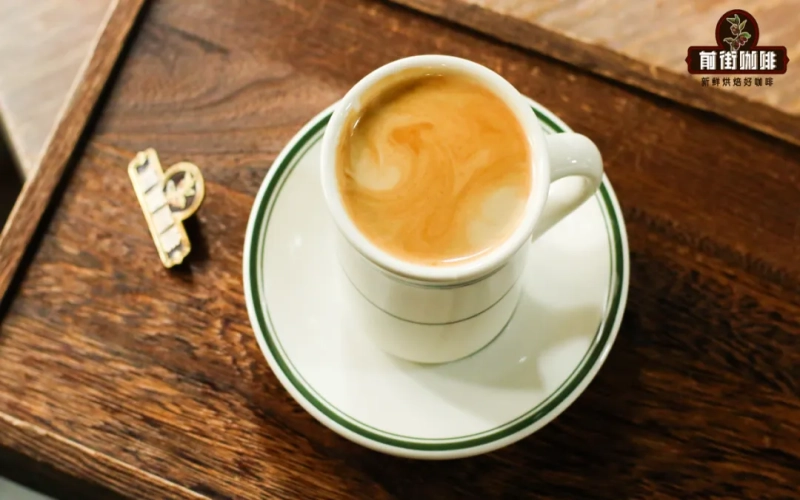
Why Is an Iced Americano Without Ice Often Warm? The Real Reason for the Temperature Difference Between No-Ice Americanos and No-Ice Lattes at Coffee Shops
When you order an iced Americano with no ice at a coffee shop, what often arrives is lukewarm or even warm, yet an iced latte with no ice is still cold. This difference leaves many coffee lovers puzzled. Drawing on the real-world experience of Front Street's stores, this article breaks down the underlying logic of how coffee shops make no-ice coffee, explains why no-ice Americanos are generally warm while no-ice lattes stay cold, and analyzes why coffee shops don't adopt the icing methods used by milk tea shops. Finally, it offers practical alternative ordering tips for those who want a lightly chilled Americano. The article also introduces Front Street's espresso bean series and the characteristics of its classic blend, making it a useful reference for coffee lovers who want to practice latte art at home or open their own shop. [more…]
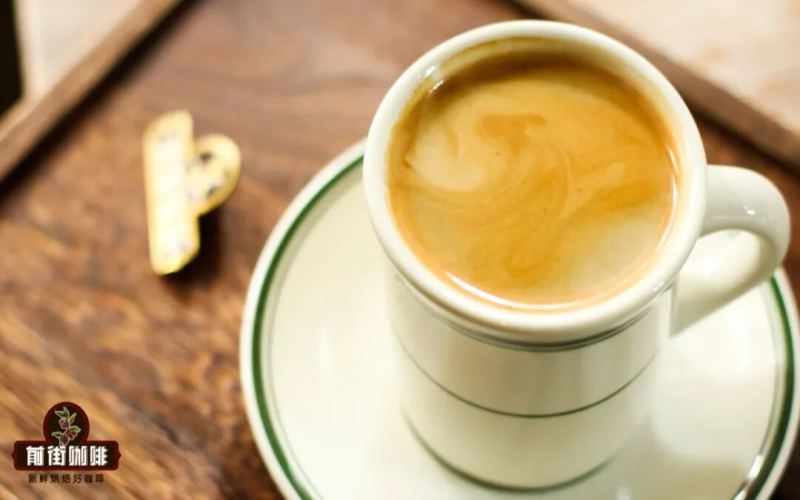
Espresso Coffee Brewing Methods | Why Is an Iced Americano from a Coffee Shop Warm After Removing the Ice? How Do You Make a Delicious Ice-Free Americano?
I wonder if any of you have ever ordered an "iced Americano without ice" at a coffee shop. If you have, then Front Street believes you were most likely puzzled by the coffee that was served. Why? Because the iced Americano without ice made by the vast majority of coffee shops differs somewhat from what you'd imagine. Regarding iced Americano without ice, what you'd imagine is [more…]

How Is a Dirty Coffee Different from an Iced Latte? A Comprehensive Analysis of the Differences Between the Two in Ratios, Methods, and Drinking Styles
Dirty coffee and iced latte look quite similar in appearance, both presenting a layered effect of espresso over milk, but they are actually different drinks. This article starts with production details such as cup size ratio, whether ice is added, cup treatment, and layering requirements, systematically sorting out the differences between Dirty and iced latte, and explaining in detail the correct way to drink each. The article also combines the flavor characteristics of coffee beans such as Front Street classic blend, specialty blend, and dark cocoa base blend to explain how to choose beans to achieve the ideal layering effect and taste experience. [more…]

How to Make Ice Cube Coffee? Espresso Freezing and Storage Tips with Three Pre-Made Options: Iced Americano, Iced Latte, and Iced Pour-Over
On a scorching summer day, a glass of iced coffee never fails to bring instant refreshment. But on a busy morning, who has the patience to wait for a cold brew to slowly filter? This time, Front Street Coffee is sharing a lazy-person solution that only requires freezing coffee liquid into ice cubes ahead of time and simply adding water or milk before heading out—ice cube coffee. The article breaks down in detail three methods: ice cube Americano, ice cube latte, and ice cube pour-over, explaining everything from bean selection and extraction parameters to freezing and melting details, while also objectively analyzing the loss of oils and aroma in pre-made coffee. If you want to sleep ten extra minutes without giving up a decent glass of iced coffee, this method is worth a try. [more…]

Can iced lattes achieve latte art effects? Analyzing why hot milk is the key to latte art
The delicate latte art patterns on a hot latte are always a pleasure to behold, but why is it that an iced latte, made from the same espresso and milk, almost never features latte art? Behind this lies the science of milk foam formation, the effect of temperature on blending, and various practical limitations. Front Street Coffee has made multiple attempts at making iced milk foam, from handheld frothers to French presses, in an effort to replicate latte art on cold drinks, but the results were less than satisfactory. This article will delve into the scientific principles of latte art, compare the differences between making hot and iced lattes, and share Front Street's real experiences and final results from iced milk foam experiments. If you've ever wondered why iced lattes can't have latte art, or want to understand the challenges of making cold milk foam, this article will reveal it all. [more…]

How to Make an Ideal Iced Latte? An Analysis of Espresso, Milk, and Ice Ratios and Key Operational Points
At first glance, iced latte seems to require nothing more than pouring ice cubes, milk, and espresso into a glass in sequence, but to truly make a delicious iced latte, everything from ingredient selection to ratios to operational details involves considerable know-how. This article focuses on three key aspects: first, how to choose the right coffee beans and milk; second, the reasonable proportions among espresso, milk, and ice cubes; and third, the operational details to pay attention to during extraction and assembly. The article uses specific data as examples to illustrate the approach to ratios and offers flexible adjustment suggestions to help coffee enthusiasts make a well-balanced iced latte at home. [more…]

Why is a latte not suitable for removing the ice? Is it okay to add ice cubes to hot coffee—hot coffee with fresh milk actually only has a room-temperature mouthfeel.
Many people's memory of their first latte has already faded, but Front Street Coffee still remembers the surprise brought by that cup of latte with exquisite latte art: the first sip carries the slight sweetness and bitter notes of the crema, the second sip turns mellow and delicate, forming just the right balance with the light sweetness of hot milk, and the finish still carries a creamy chocolate-like aftertaste. A good cup of latte cannot do without the fixed ratio of milk to coffee. An iced latte, once the ice is removed, often has the gap filled with milk, and the coffee flavor becomes weaker as a result; a hot latte is already made at the perfect ratio with the milk temperature properly controlled, so it is naturally not suitable to add ice cubes. This article centers on the latte recipe, analyzing the causes of common problems such as being too bitter, too watery, or both bitter and weak, and provides the practical parameters and adjustment ideas from Front Street Coffee's stores. [more…]
Why Does Removing Ice from a Latte Affect Flavor? Is It Feasible to Add Ice to a Hot Latte? A Detailed Explanation of Key Latte-Making Points
Can a latte be ordered without ice? Can ice cubes be added to a hot latte? These seemingly simple questions actually involve the ratio of milk to coffee, the extraction state of the espresso, and the control of milk temperature. Starting from the fixed ratio of a good latte, Front Street Coffee analyzes how removing or adding ice affects the flavor, and systematically sorts out the causes and solutions for the three common problems of lattes: too bitter, too watery, and both bitter and bland. Whether you are a beginner just starting out or a veteran looking to produce consistent results, you can find practical directions for adjustment. [more…]
Iced Latte Coffee Making Guide: Detailed Explanation of Espresso-to-Milk-and-Ice Ratio and Key Operating Points
Iced latte is the easiest milk coffee to master among espresso drinks. The process looks simple, but to make a delicious cup, the choice of ingredients, ratios, and details are all indispensable. This article covers three aspects: First, how to choose coffee beans and milk, recommending medium-dark roast beans such as Front Street Classic Blend and Front Street Dark Cocoa Base Blend, as well as fruit-forward beans like Front Street Strawberry Candy Espresso and Front Street Grana Geisha SOE, and explaining that milk should not be too rich or too thin; Second, reasonable milk-to-coffee ratios, using 40g of espresso, 240g of iced milk, and 75g of ice cubes as an example for reference and adjustment; Third, operational details, including achieving proper espresso extraction, working quickly, and the crema diminishing over time — key points to help you consistently replicate a cafe-level iced latte. [more…]

Step-by-step Iced Latte Tutorial | What coffee beans to use for iced latte? What milk-to-coffee ratio tastes best? What to note when making iced latte at home?
Iced latte coffee seems like a very simple thing to make, [put ice, pour milk, pour coffee] and it's done. Though the operation looks simple, making a delicious iced latte still requires a good deal of mental understanding. First point: choose suitable materials. Why is iced latte so simple, yet basically every coffee bean menu has [more…]
Latte Coffee Bean Selection Guide: Espresso Blends and Milk Pairing, Plus Key Points for Making Iced Lattes
Iced latte may seem like just three steps—add ice, pour milk, pour coffee—but making a delicious one requires attention from coffee bean selection to milk pairing. This article focuses on three core aspects: first, choosing the right materials—the espresso blend determines the flavor direction of the latte, and the milk should complement the coffee rather than simply seeking richness; second, properly balancing the milk-to-coffee ratio—Front Street Coffee's classic blend with Vitasoy fresh milk uses a reference of 20g grounds extracted in 25 seconds to yield 40g liquid, paired with 250ml milk and 75g ice; third, paying attention to operational details, including espresso extraction quality and preparation speed. The article also introduces Front Street Coffee's classic blend as a tribute to the Mamba recipe, with added Robusta to enhance the crema, suitable for home latte art. [more…]

Iced Latte Beginner's Guide | What's the Right Ratio of Milk to Coffee for an Iced Latte? What Should You Watch Out for When Making an Iced Latte at Home?
Making espresso is an essential skill for every barista, and nearly every coffee shop serves espresso-based drinks. What we commonly call espresso drinks are a series of coffee beverages made with espresso as the base. Today, let's make the easiest milk coffee among espresso drinks—the iced latte. The iced latte may seem like a [more…]
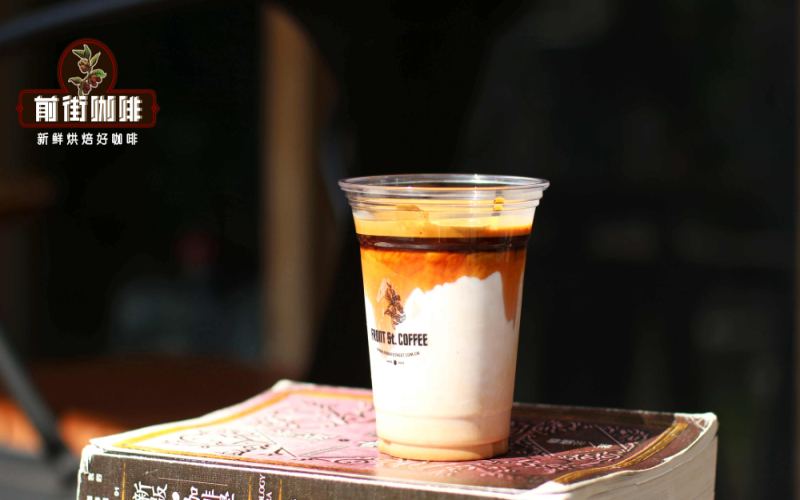
Why do iced coffees vary in cup volume when ordered without ice? Looking at the logic of topping up after removing ice in Americanos, Lattes, and Cappuccinos
When ordering an iced espresso drink without ice at a coffee shop, some people receive a full cup, while others get only a seven-tenths-full cup, or even half a cup. This difference in volume is not accidental, but is closely related to the store's business philosophy, recipe ratios, ice quality, and the concentration of the coffee beans and milk. Starting from the production practices at Front Street Coffee, this article analyzes why iced coffee drinks such as Americanos, lattes, and cappuccinos end up with different cup volumes after the ice is removed, and how adding water or milk after removing the ice affects the coffee's concentration, taste, and mouthfeel, helping coffee enthusiasts understand the logic of trade-offs behind a cup of ice-free coffee. [more…]
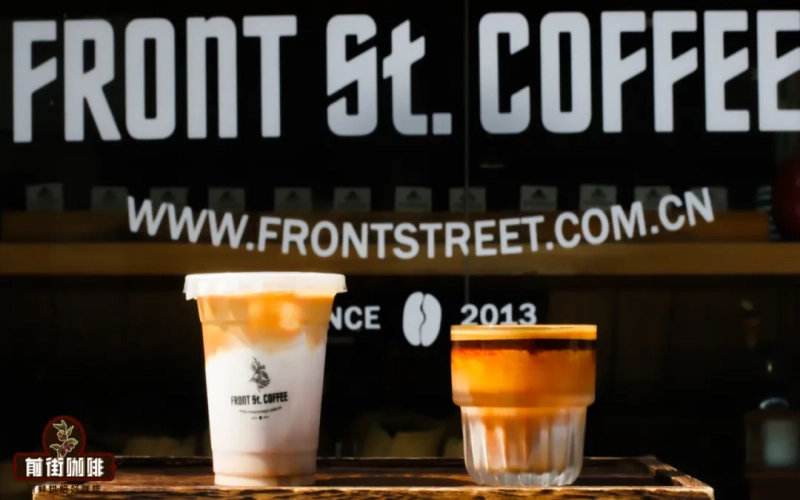
What exactly is the difference between a Dirty and an iced latte? A full breakdown of bean selection, cup size, layering, and how to drink it.
Dirty and iced latte are both combinations of cold milk and espresso, and because they look similar and use the same ingredients, they are often lumped together. But the two have significant differences in cup size, whether ice is added, cup temperature, the purpose of layering, and the way they are drunk. Dirty emphasizes taking a big gulp and experiencing the interwoven layers of hot and cold, bitter and sweet, while iced latte needs to be stirred evenly before enjoying its balanced taste. When making a Dirty, the choice of coffee beans is crucial. Front Street recommends medium-dark roasted blends or single-origin SOE beans to highlight caramel and chocolate flavors, and medium-light roasted beans can also be used to obtain fresh fruity notes. This article will, from Front Street's professional perspective, break down one by one the differences in making and tasting points between Dirty and iced latte. [more…]
Why is a flat white only served hot? Analyzing the key points of making a flat white, from extraction method to milk foam thickness
Flat white is a type of milk coffee favored by many coffee enthusiasts. It centers on espresso, with milk serving only as a supporting role, delivering a coffee flavor more intense than a latte. But have you noticed that flat white is only served hot in most cafés, never iced? This is closely tied to its crafting philosophy—thin microfoam, a small cup size, and a double ristretto, striving for every sip to deliver both velvety foam and rich coffee simultaneously. This article will provide a comprehensive analysis of the correct way to enjoy this "flat white," covering its differences from a latte, the New Zealand and Australian schools of preparation, the actual brewing parameters at Front Street Coffee locations, and why ice is never added—and will also touch on Dirty coffee, often called an "iced latte without ice." [more…]

Complete Guide to Ice Coffee Ice Cube Ratios: Ice Techniques for Americano, Latte, Pour-Over, Cold Brew, and Ice Drip
Every spring and summer, iced coffee becomes many people's go-to daily choice, and "exactly how much ice to add" is always the trickiest part of home brewing. Ice in coffee isn't just a cooling tool—it also affects aroma retention and how long the chill lasts. This article covers three main categories—espresso, pour-over, and cold brew and ice drip—and, combined with the characteristics of coffee beans at different roast levels, provides specific ice ratios and practical tips. It also explains how the texture, size, and freezing method of ice affect the final taste, helping you make a cup of iced coffee at home with just the right strength, flavor, and chill. [more…]
What's the difference between iced latte and iced coffee? Espresso extraction and pairing tips for making your own latte
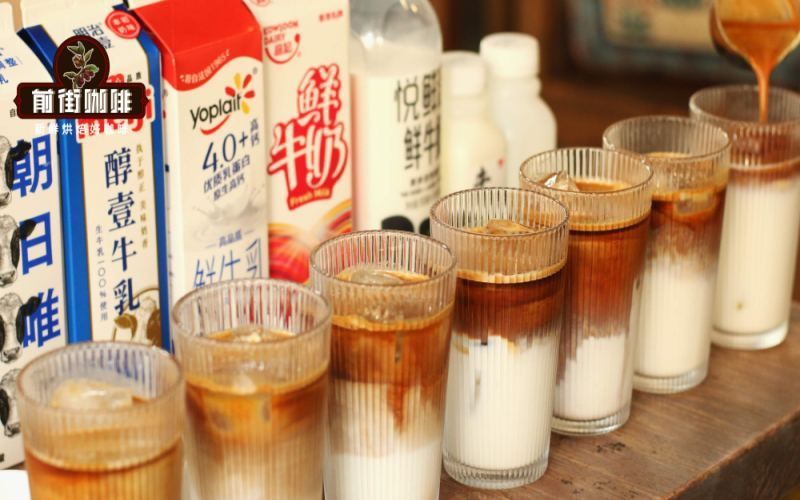
Why is it that, even among iced coffees, the iced latte from a café is always more aromatic and smooth? From the perspective of Front Street, this article breaks down the conceptual differences between an iced latte and iced coffee, explains whether espresso can be used to make a latte, and offers actionable tips for making iced lattes at home, covering household equipment, coffee bean selection, espresso extraction standards, the coffee-to-milk ratio, and the use of ice. The article also recommends two espresso beans—Front Street Signature Blend and Front Street Classic Blend—which suit different needs such as home use, office use, and latte art for beginners, helping you get closer to the flavor performance of café-quality drinks. [more…]

Coffee Latte | What are the methods and techniques for making a latte? Which espresso beans are suitable for making a latte? Introduction to the latte milk-to-coffee ratio and espresso extraction recipe
Making a latte can be said to be a skill for every barista: first extract the espresso, then prepare the milk, and let the two achieve a perfectly balanced taste. But many friends say that when they make lattes at home, they always fail to achieve the effect of a coffee shop, so they ask Front Street Coffee for tips on making latte coffee. Iced latte coffee see [more…]
A Detailed Guide to Bean Selection and Coffee-to-Milk Ratios for Latte: Hot and Iced Recipes Plus Milk Frothing Tips
Latte is the category with the highest proportion of milk in the espresso family. Iced and hot versions each have their own operational details, but the underlying recipe logic is the same. From the perspective of Front Street, this article sorts out the historical context of latte, explains the approach to selecting espresso blend beans, and provides specific preparation parameters for hot lattes and iced lattes. The content covers the pressure, temperature, time, and brew ratio of espresso extraction, the milk frothing technique and temperature control for hot lattes, and the ice cube and milk ratio for iced lattes. It also introduces the flavor profiles of multiple espresso beans such as Front Street Strawberry Candy Espresso, helping coffee enthusiasts recreate a balanced and smooth latte at their own coffee bar. [more…]

Origin of the Dirty Coffee | Must you use ice bock to make a dirty coffee? How do the taste and mouthfeel of a dirty differ from an iced latte?
Dirty coffee has always existed as a hidden menu item at Front Street Coffee, because in Front Street's view, Dirty is simply a "special" way of drinking a latte. Until one day, I happened to overhear a customer explaining it to his friend, which boiled down to "Dirty is made with ice bock milk [冰博克奶] as the base, then pouring espresso over it." [more…]